
Braces are a common orthodontic treatment used to straighten teeth and correct problems with tooth alignment and bite. Crooked, crowded, or improperly positioned teeth can sometimes make brushing and maintaining oral hygiene more difficult.
Orthodontic treatment uses controlled pressure over time to gradually move teeth into more appropriate positions. The type of braces and treatment duration depend on the individual's dental condition and treatment goals. An orthodontic or dental evaluation is important before starting treatment.
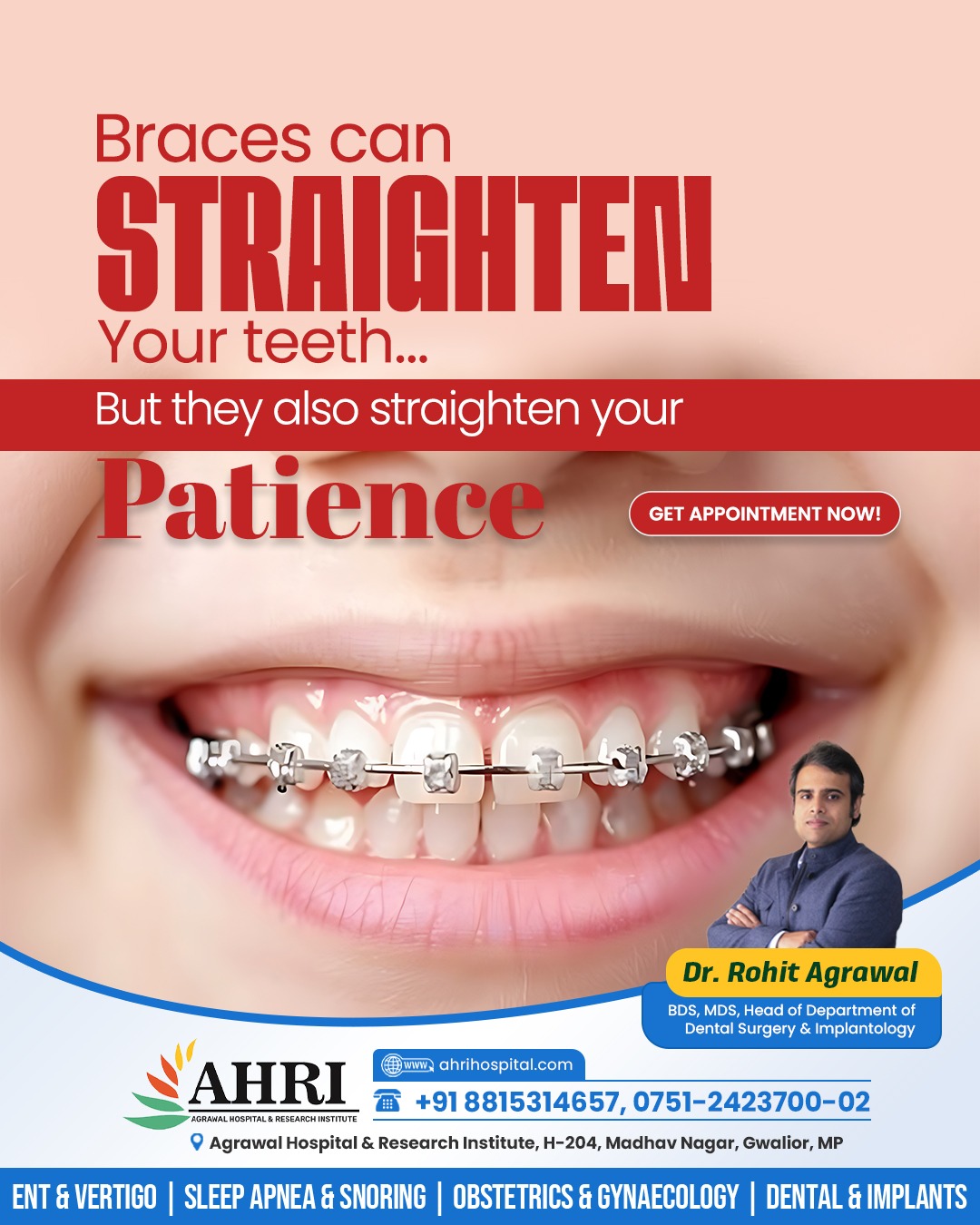
Dental braces are orthodontic appliances designed to gradually move teeth. Traditional braces generally use brackets attached to the teeth and an archwire, which applies controlled forces to guide tooth movement.
Depending on the patient's needs, an orthodontist may recommend different types of braces or other orthodontic appliances.
Braces may be recommended for several types of alignment and bite problems, including:
Teeth that are positioned at different angles or are not properly aligned can sometimes be corrected with orthodontic treatment.
When there is insufficient space for the teeth to align properly, teeth may overlap or appear crowded. Braces can help create a more organized alignment as part of an appropriate treatment plan.
Spaces or gaps between teeth can occur for several reasons. Orthodontic treatment may help close certain gaps and improve tooth alignment.
An overbite occurs when the upper front teeth extend significantly over the lower front teeth. Depending on its severity and cause, orthodontic treatment may be used to improve the bite.
An underbite occurs when the lower teeth extend beyond the upper front teeth. Treatment depends on the individual's age, dental development, and severity of the condition.
Orthodontic treatment may also be used to address other bite and alignment issues, such as crossbite or certain irregular tooth positions.
Braces may offer several benefits when they are appropriately recommended and managed by a dental professional.
Braces can gradually move teeth into better alignment, helping create a more organized dental arrangement.
Properly aligned teeth may be easier for some people to brush and floss effectively. Good oral hygiene remains important throughout orthodontic treatment.
Orthodontic treatment can help correct certain bite problems and improve how the upper and lower teeth come together.
Correcting certain alignment problems may make it easier to maintain oral hygiene and care for the teeth and gums.
For many patients, orthodontic treatment can improve the appearance of their smile by addressing crooked or crowded teeth.
The duration of orthodontic treatment varies from patient to patient. It depends on factors such as:
Because every case is different, the dentist or orthodontist can provide a more accurate estimate after examining the teeth and bite.
After braces are placed, regular dental or orthodontic appointments are generally required to monitor tooth movement and make necessary adjustments.
Patients may experience some temporary pressure, sensitivity, or mild discomfort, particularly after adjustments. Maintaining good brushing and flossing habits is also important because food particles can become trapped around orthodontic appliances.
Following the dentist's instructions can help keep the treatment on track.
Good oral hygiene is particularly important while wearing braces. Patients should:
If a bracket, wire, or other orthodontic component becomes loose or damaged, the dental professional should be contacted for advice.
You may consider an orthodontic evaluation if you have:
An examination can help determine whether braces or another orthodontic treatment would be appropriate.
If you are considering braces for crooked teeth, crowded teeth, gaps, or bite-related concerns, a professional dental evaluation can help determine the most suitable treatment approach.
Dr. Rohit Agrawal , BDS, MDS and Head of Department of Dental Surgery & Implantology, provides dental care at Agrawal Hospital & Research Institute, Gwalior, Madhya Pradesh.
For more information:
Braces are an established orthodontic treatment for improving tooth alignment and correcting certain bite problems. They may be useful for conditions such as crooked teeth, crowding, gaps, overbite, underbite, and other alignment concerns.
The right treatment depends on the individual's dental condition and should be determined after a professional examination. If you are considering braces, consulting a qualified dental specialist or orthodontic professional can help you understand your treatment options and what to expect.
Agrawal Hospital & Research Institute, Gwalior, MP
| Mon | 10:00 AM – 8:00 PM |
| Tue | 10:00 AM – 8:00 PM |
| Wed | 10:00 AM – 8:00 PM |
| Thu | 10:00 AM – 8:00 PM |
| Fri | 10:00 AM – 8:00 PM |
| Sat | 10:00 AM – 8:00 PM |
info@ahrihospital.com
+91-8815314657, 0751-2423700, 02
Agrawal hospital and Research institute H-204, Madhav Nagar opp AG office Gwalior, MP India 474002