
Description: Learn why your teeth may hurt when drinking hot or cold beverages. Understand the causes of tooth sensitivity, common symptoms, treatment options and when to visit a dentist.
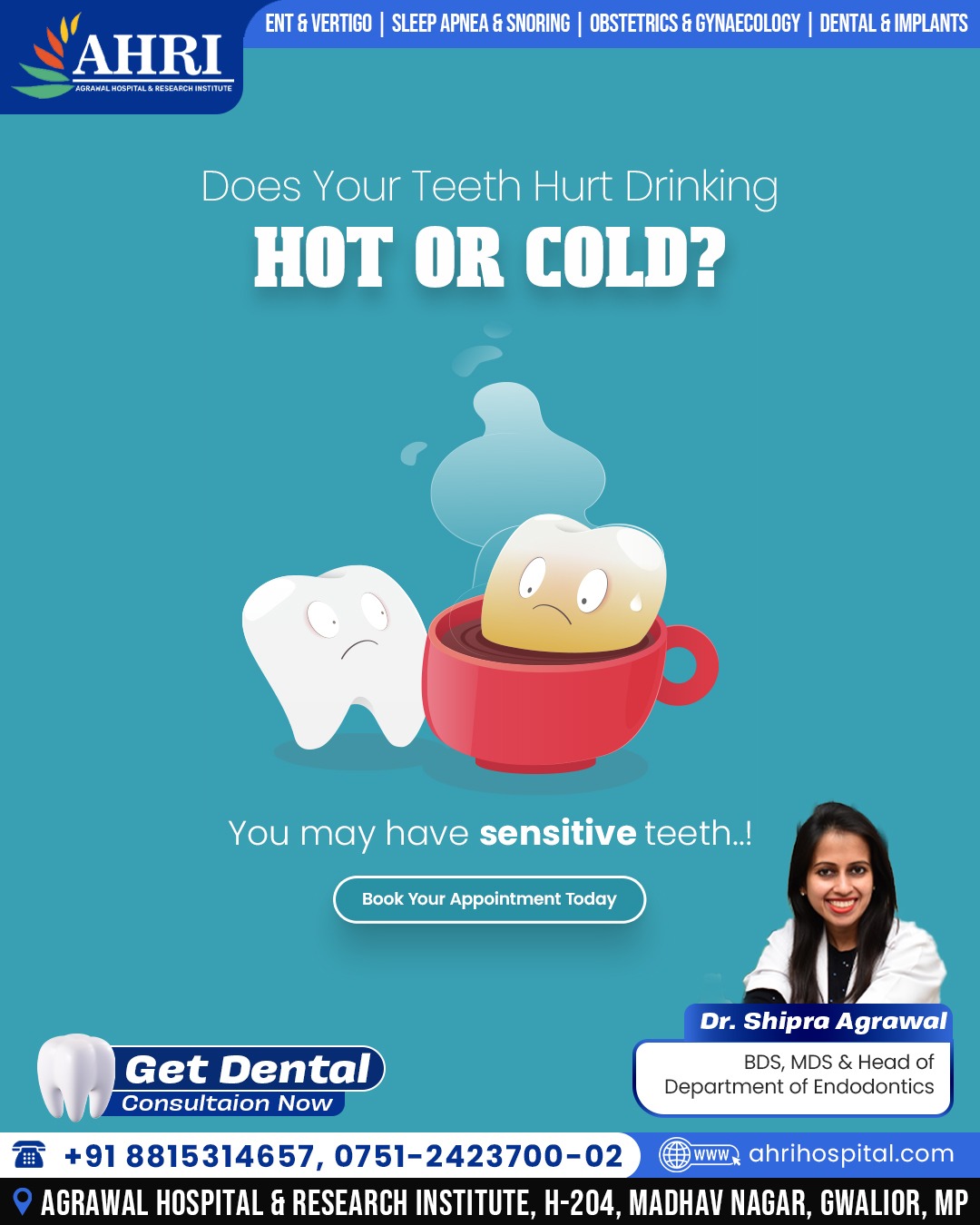
Experiencing tooth pain while drinking hot tea, coffee, or cold water can make everyday activities uncomfortable. Some people also notice sensitivity when eating ice cream or consuming sweet and acidic foods. These symptoms may indicate tooth sensitivity, which can develop for several reasons.
Tooth sensitivity occurs when the teeth react to temperature changes or certain foods and beverages. Although the discomfort may be temporary, recurring or persistent pain should not be ignored, as it may be associated with enamel erosion, cavities, gum recession, or other dental conditions.
Understanding the causes, symptoms, and available treatment options can help you take appropriate steps to maintain your oral health.
Tooth sensitivity, also known as dentin hypersensitivity, is a condition in which the teeth experience sharp or brief discomfort in response to particular triggers, including hot or cold foods and drinks.
The outer layer of a tooth, called enamel, protects its inner structures. When enamel wears down or gums recede, the underlying dentin may become exposed. This can make the teeth more sensitive to temperature changes and other external stimuli.
Sensitivity may affect one tooth or several teeth, depending on the underlying cause.
Tooth pain during the consumption of hot or cold beverages can occur when the protective layers of the teeth are compromised. Common reasons include:
Tooth sensitivity can vary from person to person. Common symptoms include:
If the pain continues after the trigger is removed, occurs without an obvious cause, or is accompanied by swelling, consult a dentist.
Appropriate dental care can help manage sensitivity and protect your teeth.
Desensitising toothpaste may help reduce discomfort when used regularly according to the product instructions. Ask your dentist which option is suitable for your needs.
Use a soft-bristled toothbrush and avoid brushing aggressively, as excessive pressure may contribute to enamel wear and gum recession.
Frequent consumption of acidic beverages and foods may contribute to enamel erosion. Rinse your mouth with water after consuming them.
If hot or cold beverages cause discomfort, choose moderate temperatures until the underlying problem has been assessed.
Home care may help manage mild sensitivity, but it cannot treat every underlying cause. Persistent pain requires a dental examination to identify the problem.
Treatment depends on the cause and severity of the symptoms. A dentist may recommend:
A dental examination helps determine the most appropriate treatment rather than simply treating the symptoms.
Occasional, brief sensitivity may not always indicate a serious problem. However, arrange a dental appointment if you experience:
Facial swelling, fever, rapidly worsening pain, or difficulty swallowing or breathing requires urgent medical attention.
Early dental evaluation can help identify the cause and prevent some conditions from becoming more complicated.
Dr. Shipra Agrawal is associated with the dental department at Agrawal Hospital & Research Institute, Gwalior. According to the information provided, her qualifications and designation include:
Endodontics focuses on conditions affecting the inner tissues of the teeth and related treatments. Patients experiencing persistent tooth sensitivity or dental pain can contact the hospital to enquire about consultation and available treatment options.
Agrawal Hospital & Research Institute (AHRI) is located in Madhav Nagar, Gwalior, Madhya Pradesh. Its listed healthcare services include:
The hospital provides dental and implant-related services for patients seeking information about dental care.
Tooth pain when drinking hot or cold beverages may be a sign of tooth sensitivity, enamel erosion, cavities, gum recession, or other dental problems. While simple sensitivity may sometimes be managed with appropriate oral care, persistent or recurring pain should be evaluated by a dentist.
Maintaining good oral hygiene, brushing gently, limiting frequent exposure to acidic foods, and attending regular dental check-ups can help support oral health.
For dental consultation and information about available treatment options, contact Agrawal Hospital & Research Institute, Gwalior, or visit
https://ahrihospital.com/H-204, Madhav Nagar, Gwalior, Madhya Pradesh.
| Mon | 10:00 AM – 8:00 PM |
| Tue | 10:00 AM – 8:00 PM |
| Wed | 10:00 AM – 8:00 PM |
| Thu | 10:00 AM – 8:00 PM |
| Fri | 10:00 AM – 8:00 PM |
| Sat | 10:00 AM – 8:00 PM |
info@ahrihospital.com
+91-8815314657, 0751-2423700, 02
Agrawal hospital and Research institute H-204, Madhav Nagar opp AG office Gwalior, MP India 474002